



$15,000,000
Three daughters lost their father to a 1990 murder unsolved for decades. We pursued the convicted step-mother civilly and won a landmark wrongful-death judgment.
I-5, I-80, US 50 & State Route 99
A semi keeps a record of where it went, how long its driver worked and when it was last fixed.
Reviewed by Gingery Hammer & Associates, LLP · Updated November 21, 2026
Interstate 5, Interstate 80, U.S. 50 and State Route 99 all pass through Sacramento. When a truck crash happens on one of them, much of the proof sits in the truck and in the carrier's files, and some of it can be thrown away within months.


$33M+
Featured Case Results
Every claim is pursued for its full value, so recoveries reflect what an injured family actually needs.
75+
Years of Combined Experience
Seasoned judgment guides each decision, so the path forward is clear at every stage of a case.
1,000+
Injury Cases Handled
Proven preparation keeps cases moving efficiently, so questions get real answers and nothing gets overlooked.
Truck Accident Claims
Caltrans calls Interstate 80 a critical east-west freight corridor that carries goods from the Ports of Oakland and West Sacramento across the state and into Nevada. It meets Interstate 5 in Sacramento County, and U.S. 50 and State Route 99 run through the city as well.
A big-rig crash leaves a trail a car crash does not. An electronic logging device stamps the date, time, location, engine hours and miles each time the driver changes duty status, and at least once an hour while the truck rolls. The carrier keeps inspection and repair records for each truck it controls. After many crashes it must test its driver for alcohol and drugs, and it must check a federal database before it lets a driver work.
Those records belong to the trucking company, not the police. Some of them can be lawfully discarded after six months, which is long before many cases settle. That is why a letter asking the carrier to keep them is one of the first things to send. If the crash took a life, see our page on Sacramento wrongful death claims.
Prefer to start online? Request a free case review or download the free California Personal Injury Guide.

Key Facts
Statute of Limitations
2 years
Some carrier records: kept only 6 months
Attorney Fee
0%
Unless we win
Case Review
Free
And confidential
Service Area
Sacramento
Sacramento & all of Sacramento County
Call Now
(916) 767-0807
Direct to Sacramento office
The Law
49 C.F.R. §§ 395.26, 395.22(i)
49 C.F.R. §§ 392.3, 395.3(a)
49 C.F.R. § 382.303
49 C.F.R. §§ 382.301, 382.305, 382.701; Cal. Veh. Code § 34520
49 C.F.R. § 396.3; Cal. Veh. Code § 34501(a)(4)
49 C.F.R. § 387.9; Cal. Code Civ. Proc. § 335.1; Cal. Gov. Code § 911.2
Every case type we take at this office: Personal injury attorney in Sacramento.
Why Gingery Hammer & Associates
Contingency fee. No upfront costs, no hourly bills, no retainer.
Decades of combined courtroom experience. Insurers know we prepare every case for trial.
We know the corridors, courts, and communities of Sacramento County.
$33M+ recovered for injured clients across Northern California.
You talk to your lawyer — not a call center.
We deal with the adjusters so you can focus on healing.
Meet Your Attorneys
Common Causes
Most of these causes leave a mark in the carrier's own records:
Common Injuries
A collision with a loaded truck can cause injuries that need trauma or burn care. UC Davis Medical Center in Sacramento is a level 1 trauma center and is home to the region's largest burn center. Common injuries include:
After a Crash
Call 911 and let paramedics decide where to take you. UC Davis Medical Center says it is the only level 1 trauma center in California north of San Francisco.
The driver, the carrier and the owner of the tractor or trailer can be different. Federal maintenance rules even require a carrier to record who furnished a truck it does not own. Ask the officer to note each one.
Note the freeway, the direction, and the nearest exit or interchange. The time starts the testing clock and helps match the crash to the truck's logging data.
An alcohol or drug test done by police can count as the carrier's post-crash test if the carrier gets the results. If no test was done, the carrier must keep a written record of why.
Ask the carrier in writing to keep the logging data, duty records, maintenance and repair files, dispatch records and test results. Duty records and the logging backup only have to be kept six months.
Keep dashcam footage, phone photos and the names of nearby businesses that may have cameras. Video can be erased quickly.
If a Caltrans road, a city or county vehicle, or another public agency may share the blame, the written claim is due within six months.
Featured Case Results
The firm's past results below come from different cases with different facts. They are shared for background and promise nothing about a future case.
$15,000,000
Three daughters lost their father to a 1990 murder unsolved for decades. We pursued the convicted step-mother civilly and won a landmark wrongful-death judgment.
$7,500,000
Elderly veteran suffered a spinal cord injury when stacked crates fell on him at a warehouse. We secured a full settlement plus a pre-settlement handicap vehicle and medical costs.
$2,000,000
A drywaller was tragically killed on an active construction site due to preventable safety and communication failures. A multi-seven-figure recovery brought closure to his family.
Prior results do not guarantee a similar outcome.
Serving Sacramento
Interstate 5 and Interstate 80 meet in Sacramento County, and when Caltrans closes part of I-80 here it sends drivers onto I-5, U.S. 50 and State Route 99 instead. Caltrans also describes I-80 as a key freight corridor out of the Ports of Oakland and West Sacramento. For a truck on any of these roads, the federal rules on this page set out what its carrier was required to record, test and fix.
A truck accident lawsuit can be filed in Sacramento County Superior Court when the crash happened in the county, or where a defendant lives. UC Davis Medical Center says it draws trauma patients from Northern California, western Nevada and southern Oregon. Our Sacramento office is at 7801 Folsom Blvd, Suite 101, and the Sacramento personal injury attorney page explains our contingency fee. When a tired driver is part of the story, our Sacramento drowsy driving page goes further into it.
Also serving Roseville: Truck Accident Lawyer in Roseville
Compensation
A claim can reach both the driver and the carrier. It can include costs you can total and losses you cannot. Examples:
We fight. You heal. That's the deal.
Hit by a semi on a Sacramento freeway? Ask for a free case review before the records are gone.
FAQ
It records the date, time, truck location, engine hours, miles, and the driver, truck and carrier identity. It saves those details each time the driver changes duty status, when the engine starts or shuts off, and at least once an hour while the truck is moving.
As soon as possible. Federal rules require a carrier to keep drivers' duty records and the backup of logging data for only six months. Maintenance records are kept for one year. Send a written request to preserve them as early as you can.

That can be important. When a test was required and not given within two hours for alcohol, the carrier must keep a written record of why, and it stops trying at eight hours. For drugs the cutoff is 32 hours. Those records must be given to federal safety officials on request.
It is a federal database of drivers' drug and alcohol violations, such as positive tests and refusals. A carrier must check it before hiring a driver and at least once a year after. A driver with an unresolved violation may not do safety work.
Yes, it can share the blame. Federal rules say a carrier must not require or permit a driver to drive while too tired or ill to drive safely. Dispatch records, delivery deadlines and logging data can show whether the company pushed a driver past safe limits.
Yes. California's Vehicle Code requires motor carriers and drivers here to follow the federal controlled substance and alcohol testing rules in Part 382. A new driver may not be put on duty until a negative pre-employment test result is reported.
More than ordinary freight. Federal rules set $750,000 for ordinary freight hauled for hire between states, $1 million for oil and many hazardous materials, and $5 million for certain bulk hazardous loads. The exact amount depends on the cargo and the type of trip.
Generally two years from the crash to file a lawsuit. If a public agency's vehicle or road was involved, a written claim is due within six months. The records that prove the case can disappear sooner than either deadline, so do not wait to request them.
This page is general information, not legal advice. Every case depends on its own facts.
Related Practice Areas
Every case type we handle: Personal injury attorney in Sacramento · Also serving Roseville: Truck Accident Lawyer in Roseville

All bicycle accidents should be taken seriously because the injuries sustained could be severe. If you have been injured in a preventable crash, call us now for a free consultation. Our professional bicycle accident attorneys will help you obtain your settlement award.
See Bicycle Accident Cases
If you've been injured in a car accident, whether by a drunk, speeding, or negligent driver, you deserve full compensation. Schedule a consultation with a reliable car accident attorney today. We're dedicated to making sure each of our clients gets justice.
See Car Accident Cases
A catastrophic injury may result in blindness, deafness, or other disabilities that will impact someone for their entire life. If you or a loved one has experienced a catastrophic injury, don't hesitate to consult an injury attorney to secure the compensation you're owed.
See Catastrophic Injury Cases
Nearly half of all accidents involving a motorcycle lead to a serious injury. Motorcycles are dangerous, and drivers should be held accountable for negligence. If you have been injured by a reckless motorcyclist, give us a call to secure the compensation you deserve.
See Motorcycle Accident Cases
Every day people are seriously injured by negligent drivers in pedestrian areas and while crossing roads. If you have been hurt in a pedestrian-related accident, get in touch with Gingery Hammer & Associates, LLP to see if you're eligible for compensation.
See Pedestrian Injury Cases
Defective and dangerous products injure people every day. When a manufacturer, distributor, or retailer puts an unsafe product into your hands, they can be held strictly liable. We investigate the defect, preserve the evidence, and pursue the full compensation you're owed.
See Product Liability Cases
If you are ever injured on someone else's property, the property owner can (and should) be held accountable for all your injuries. We'll handle your premises liability lawsuit and make sure you are rightfully and fully compensated by the property owner for your accident.
See Premises Liability Cases
Commercial truck drivers are held to a higher liability standard than other drivers on the road. If you have been injured in a collision with a big-rig, delivery truck or any other commercial vehicle, give us a call to seek compensation right away.
See Truck Accident Cases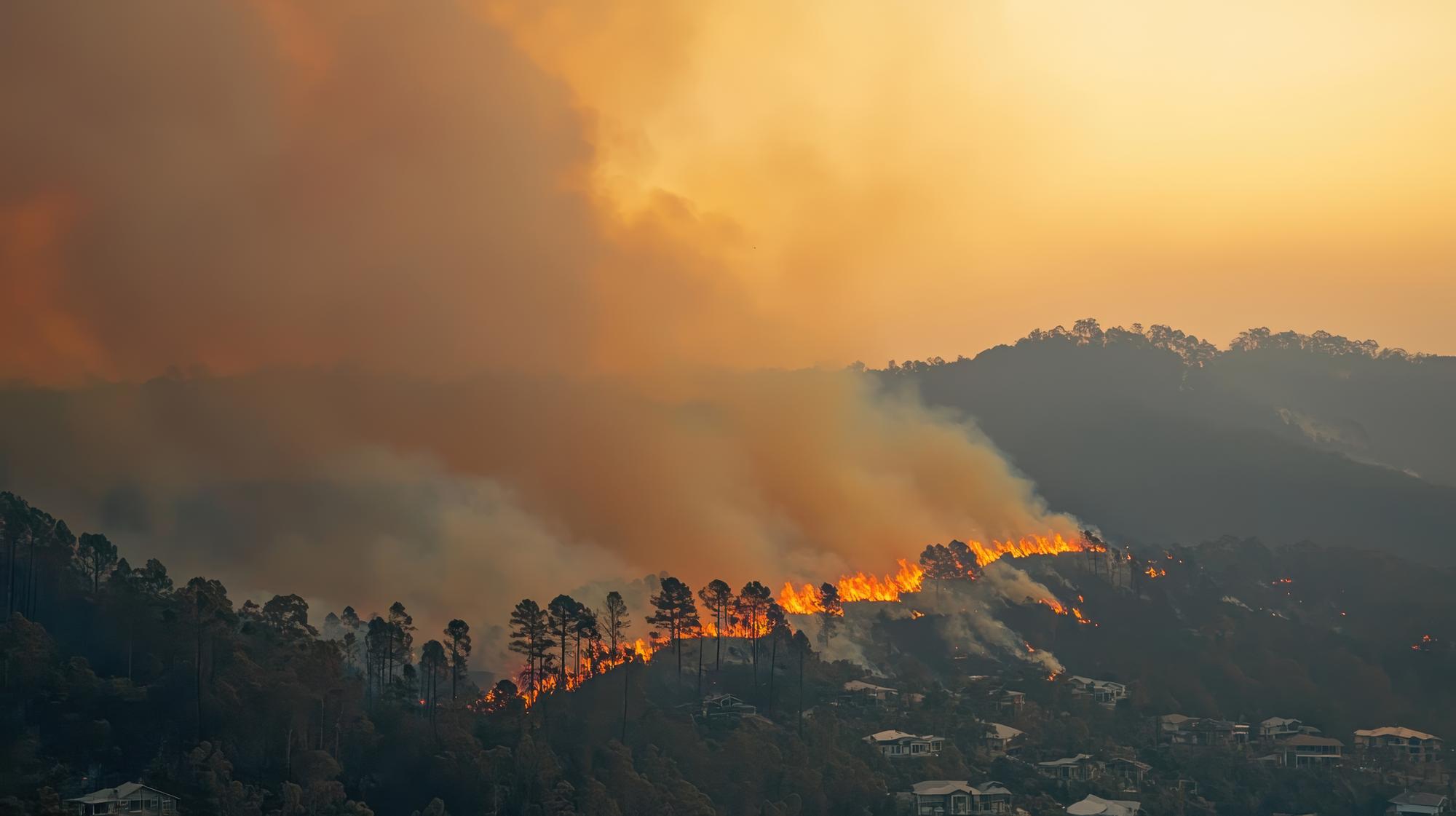
Our injury lawyers are dedicated to helping victims of wild fires who have been left with injuries or property loss. If you have questions about the cause of the fire and how you can receive compensation, contact Gingery Hammer & Associates, LLP today.
See Wildfire Lawsuits Cases
A wrongful death settlement can help give support to grieving families in a challenging and devastating time, and provide assistance and financial support for the dependents' futures. Reach out to us today, and let us seek justice for the loss of your loved one.
See Wrongful Death CasesFrom the Blog
November 12, 2026
November 10, 2025
July 7, 2025