



$15,000,000
Three daughters lost their father to a 1990 murder unsolved for decades. We pursued the convicted step-mother civilly and won a landmark wrongful-death judgment.
Lifts, Loaders, Forklifts & Cranes
Big machines fail in big ways. The design, the parts and the recall history all matter.
Reviewed by Gingery Hammer & Associates, LLP · Updated November 21, 2026
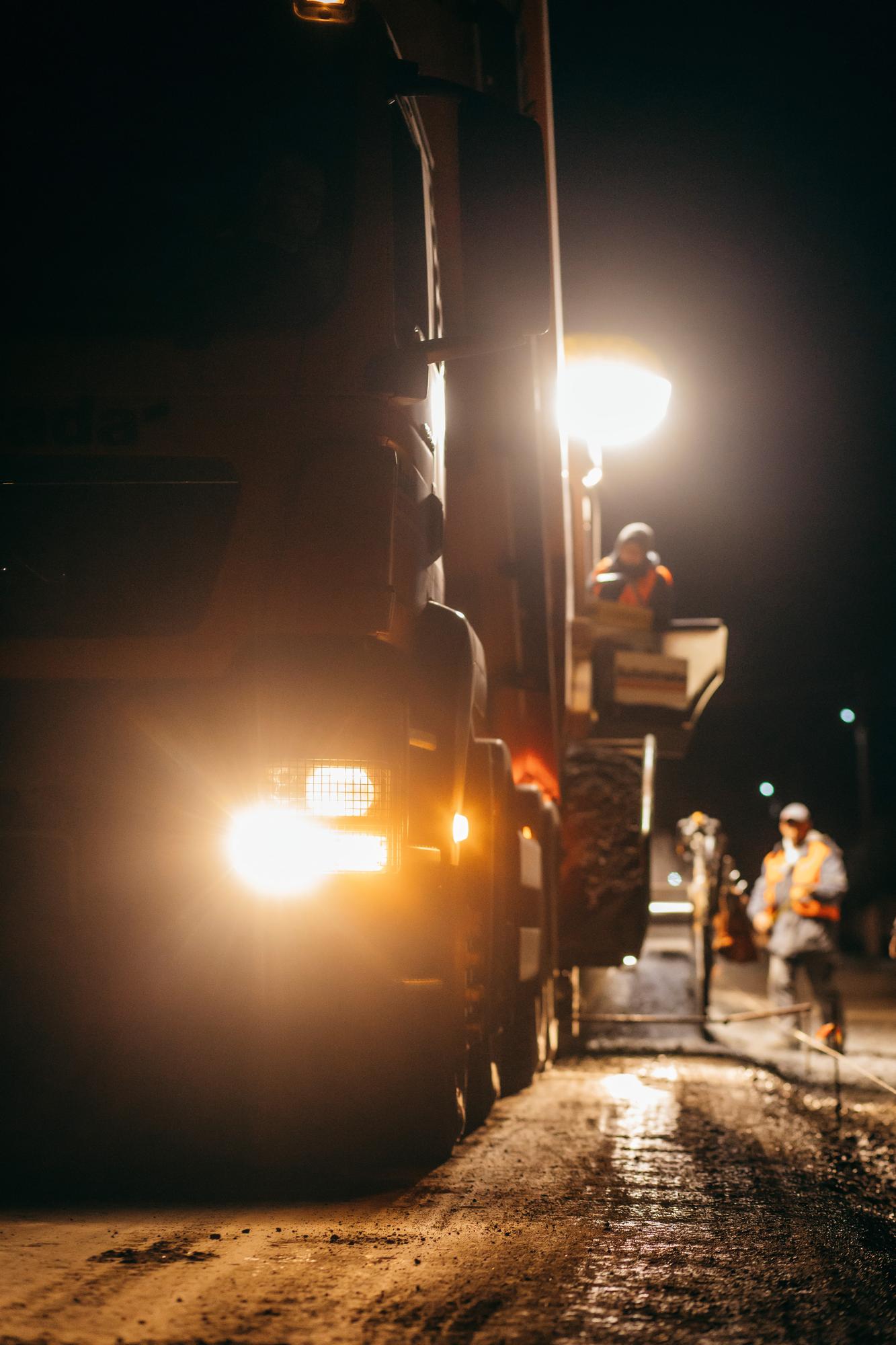
Aerial lifts, telehandlers, skid steers, excavators, cranes and dump trucks move the work on Sacramento projects. When one tips, rolls, drops a load or backs over someone, California law asks whether the machine was designed safely, whether a part failed, and whether the maker knew of the danger and did nothing.

$33M+
Featured Case Results
Every claim is pursued for its full value, so recoveries reflect what an injured family actually needs.
75+
Years of Combined Experience
Seasoned judgment guides each decision, so the path forward is clear at every stage of a case.
1,000+
Injury Cases Handled
Proven preparation keeps cases moving efficiently, so questions get real answers and nothing gets overlooked.
Heavy Equipment Defect Claims
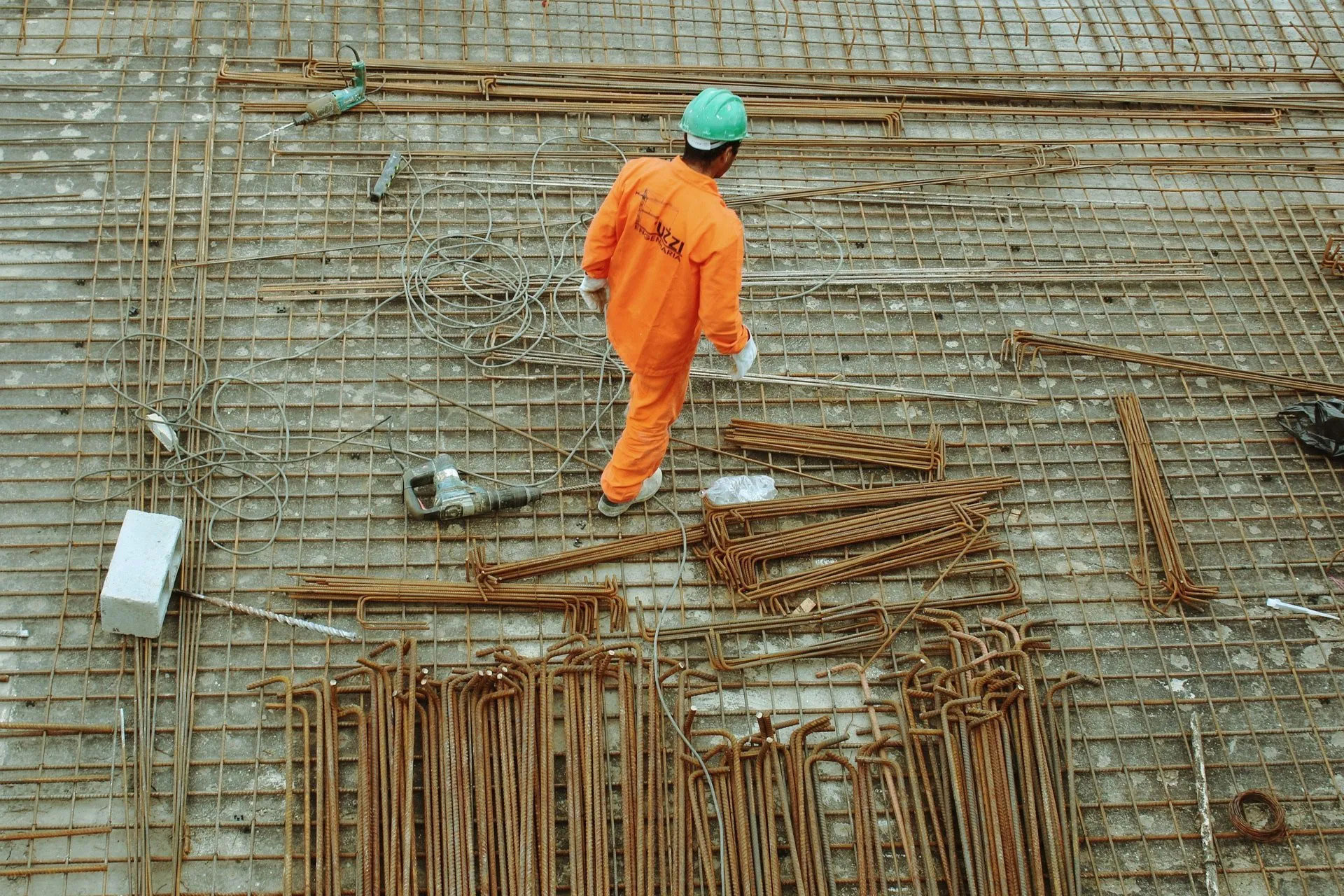
Heavy equipment injuries tend to be sudden and severe. A boom lift tips when it reaches out over a slope. A telehandler drops a pallet when a hydraulic hose bursts. A skid steer rolls and its operator is thrown. A dump truck backs up with a dead alarm. Many of these machines are rented, many pass through several owners, and many are built from parts made by other companies.
That chain of companies is the heart of a defect case. The maker designed the machine and wrote its warnings. A part supplier may have made the valve, hose or sensor that failed. A dealer or rental company may have sold, serviced or rented it. The employer may have maintained it, or failed to. Each link has its own legal duty.
California law also looks at what happened after the sale. If a maker learns that a model is hurting people and fails to recall it, fix it or warn owners, that failure can be negligence even apart from the original design. For smaller tools, see the Sacramento product liability lawyer page. For jobsite injuries with no machine defect, see Sacramento construction accidents.
Prefer to start online? Request a free case review or download the free California Personal Injury Guide.
Key Facts
Statute of Limitations
2 years
Product claim against the maker, part supplier or rental company
Attorney Fee
0%
Unless we win
Case Review
Free
And confidential
Service Area
Sacramento
Sacramento & all of Sacramento County
Call Now
(916) 767-0807
Direct to Sacramento office
The Law
CACI No. 1204
CACI No. 1223
CACI No. 1208
8 CCR §§ 1592(a), 1593(d)
Cal. Lab. Code §§ 3602(b)(3), 4558
Cal. Code Civ. Proc. § 335.1; Cal. Lab. Code § 3852; Cal. Gov. Code § 911.2
Every case type we take at this office: Personal injury attorney in Sacramento.
Why Gingery Hammer & Associates
Contingency fee. No upfront costs, no hourly bills, no retainer.
Decades of combined courtroom experience. Insurers know we prepare every case for trial.
We know the corridors, courts, and communities of Sacramento County.
$33M+ recovered for injured clients across Northern California.
You talk to your lawyer — not a call center.
We deal with the adjusters so you can focus on healing.
Meet Your Attorneys
Common Failures
Claims involving large machines often come from one of these failures:
Common Injuries
The weight and force of large machines can cause injuries that change a life. They include:
After a Machine Failure
Crush and burn injuries need trauma care fast. UC Davis Medical Center is a level 1 trauma center with the region's largest burn center.
Send a written request to the owner and rental company to keep the machine as it is. A repair can erase the defect.
The plate shows the maker, model, serial number and year. Those details tie the machine to recalls and service bulletins.
Machines in use must be checked at the start of each shift. Ask who did the check that day and what it showed.
Get the rental contract, the owner's name and any service records. A machine may have been rented by the general contractor, not your employer.
Photograph every decal, load chart and warning on the machine, and note any that were missing or unreadable.
Workers should notify the employer in writing within 30 days. Serious injuries must be reported to Cal/OSHA by the employer within 8 hours.
Featured Case Results
The firm's earlier results below are offered as history. Outcomes vary with the facts, and none is a guarantee.
$15,000,000
Three daughters lost their father to a 1990 murder unsolved for decades. We pursued the convicted step-mother civilly and won a landmark wrongful-death judgment.
$7,500,000
Elderly veteran suffered a spinal cord injury when stacked crates fell on him at a warehouse. We secured a full settlement plus a pre-settlement handicap vehicle and medical costs.
$2,000,000
A drywaller was tragically killed on an active construction site due to preventable safety and communication failures. A multi-seven-figure recovery brought closure to his family.
Prior results do not guarantee a similar outcome.
Serving Sacramento
After a serious heavy equipment injury in Sacramento, the employer must report it to Cal/OSHA, which has a Sacramento District Office. Workers can also file a complaint with the district office closest to the worksite. The inspection file may list the machine's owner and model, which helps find the maker, the part suppliers and any recall history.
A product liability lawsuit can be filed in Sacramento County Superior Court when the injury happened in Sacramento County, because the county where the injury occurs is a proper place for trial. Our Sacramento office is at 7801 Folsom Blvd, Suite 101. The Sacramento personal injury attorney page explains how the contingency fee works.
UC Davis Medical Center says it is the only level 1 trauma center in California north of San Francisco and is home to the region's largest burn center. For injuries that left lasting harm, see catastrophic injuries in Sacramento.
Also serving Roseville: Defective Construction Equipment Lawyer in Roseville
Compensation
Claims against a maker, part supplier or rental company can seek losses such as:
We fight. You heal. That's the deal.
A lift, loader or crane failed on a Sacramento site? A free case review is the first step.
FAQ
It depends on why it tipped. The maker can be liable for a defective design, such as a missing tilt alarm or weak stabilizers. A rental company can be liable if it failed to inspect and fix the machine. A site owner or general contractor can share fault for unsafe ground. Your employer is usually limited to comp.
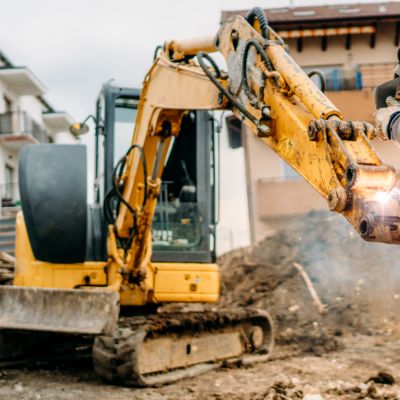
That can help your case. A maker can be negligent for failing to recall or retrofit a machine it learned was dangerous, when a reasonable maker would have. California courts have said an owner's failure to respond to a recall does not automatically excuse the maker, because a maker cannot delegate the safety of its product to dealers or buyers.
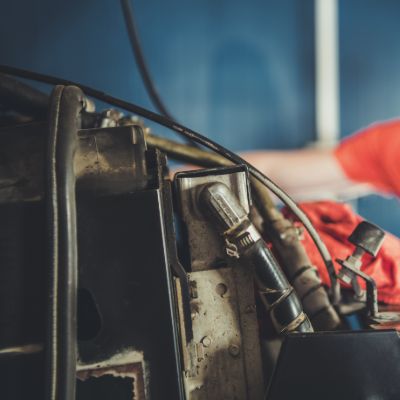
Possibly several companies. Cal/OSHA requires an automatic backup alarm on haulage vehicles of 2 1/2 cubic yards or more, and a shift check of safety devices before use. If the alarm was defective, the maker or part supplier may be liable. If it was broken and nobody fixed it, the owner or rental company may share fault.
Sometimes. A part supplier is usually not responsible for defects in the finished machine. It can be liable if its own part was defective, or if it took a substantial part in designing how the part fit into the machine and that made the machine defective. A burst hose or failed sensor can raise this question.
Only in narrow cases. One is when the employer made the defective product, sold it to an outside buyer, and it was later provided for your use. Another is when the employer knowingly removed or failed to install a maker-required guard on a power press and specifically authorized that. Otherwise, the employer pays through comp.
In a design case, often yes. Once you show the maker made the machine, you were hurt, and the design was a substantial factor, the maker must prove the design's benefits outweigh its risks. The jury weighs how serious and likely the harm was and whether a safer design was practical and affordable.
Generally two years from the injury for a lawsuit against the maker, part supplier, dealer or rental company. If a public agency owned the machine, a written claim is generally due within six months. Workers should also give the employer written notice within 30 days for comp.
This page is general information, not legal advice. Every case depends on its own facts.
Related Practice Areas
Every case type we handle: Personal injury attorney in Sacramento · Also serving Roseville: Defective Construction Equipment Lawyer in Roseville
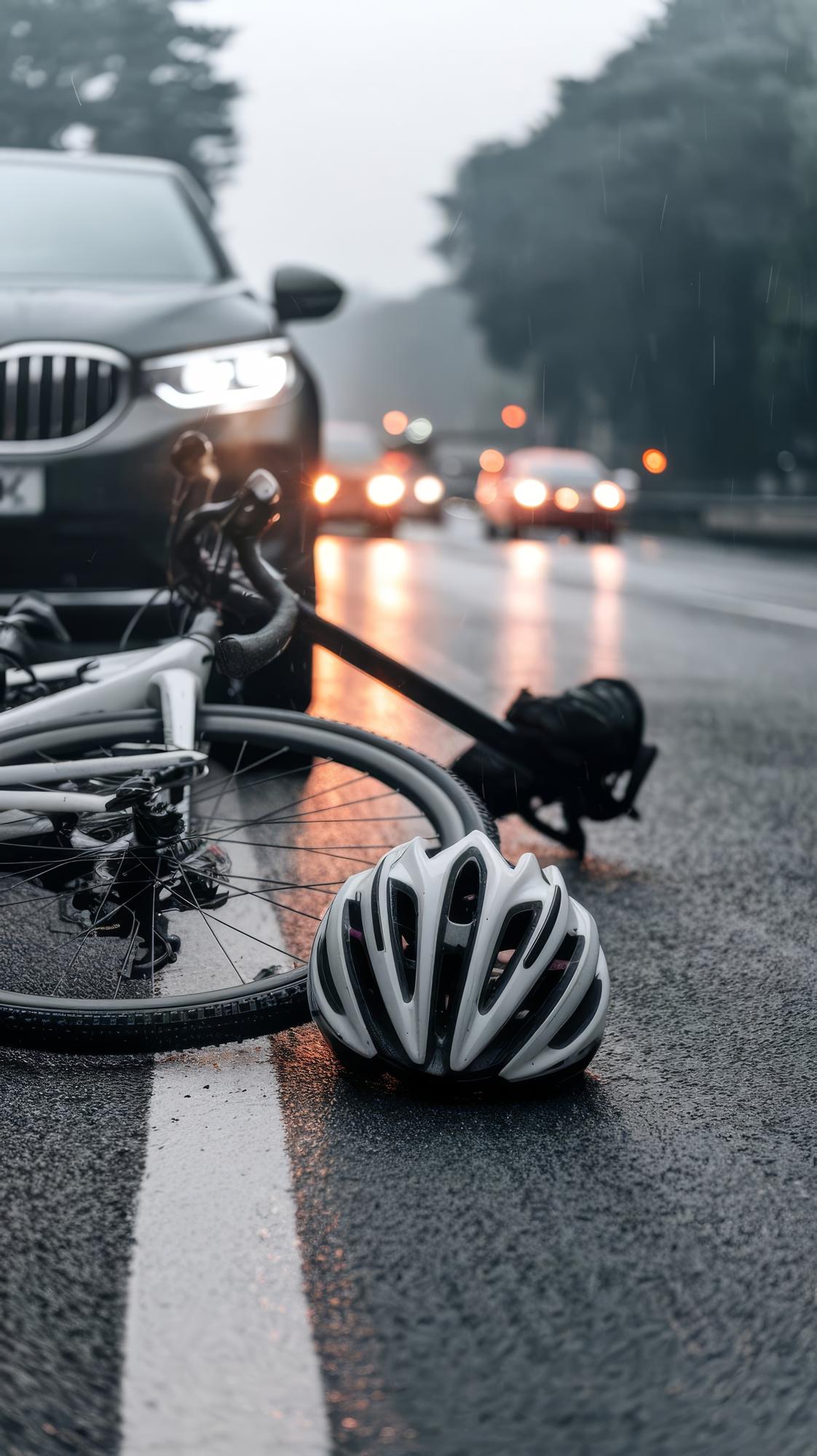
All bicycle accidents should be taken seriously because the injuries sustained could be severe. If you have been injured in a preventable crash, call us now for a free consultation. Our professional bicycle accident attorneys will help you obtain your settlement award.
See Bicycle Accident Cases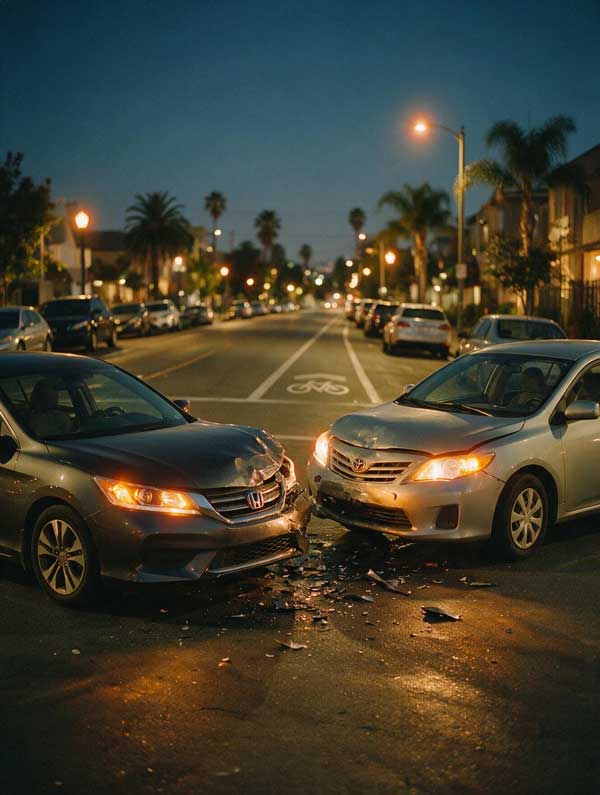
If you've been injured in a car accident, whether by a drunk, speeding, or negligent driver, you deserve full compensation. Schedule a consultation with a reliable car accident attorney today. We're dedicated to making sure each of our clients gets justice.
See Car Accident Cases
A catastrophic injury may result in blindness, deafness, or other disabilities that will impact someone for their entire life. If you or a loved one has experienced a catastrophic injury, don't hesitate to consult an injury attorney to secure the compensation you're owed.
See Catastrophic Injury Cases
Nearly half of all accidents involving a motorcycle lead to a serious injury. Motorcycles are dangerous, and drivers should be held accountable for negligence. If you have been injured by a reckless motorcyclist, give us a call to secure the compensation you deserve.
See Motorcycle Accident Cases
Every day people are seriously injured by negligent drivers in pedestrian areas and while crossing roads. If you have been hurt in a pedestrian-related accident, get in touch with Gingery Hammer & Associates, LLP to see if you're eligible for compensation.
See Pedestrian Injury Cases
Defective and dangerous products injure people every day. When a manufacturer, distributor, or retailer puts an unsafe product into your hands, they can be held strictly liable. We investigate the defect, preserve the evidence, and pursue the full compensation you're owed.
See Product Liability Cases
If you are ever injured on someone else's property, the property owner can (and should) be held accountable for all your injuries. We'll handle your premises liability lawsuit and make sure you are rightfully and fully compensated by the property owner for your accident.
See Premises Liability Cases
Commercial truck drivers are held to a higher liability standard than other drivers on the road. If you have been injured in a collision with a big-rig, delivery truck or any other commercial vehicle, give us a call to seek compensation right away.
See Truck Accident Cases
Our injury lawyers are dedicated to helping victims of wild fires who have been left with injuries or property loss. If you have questions about the cause of the fire and how you can receive compensation, contact Gingery Hammer & Associates, LLP today.
See Wildfire Lawsuits Cases
A wrongful death settlement can help give support to grieving families in a challenging and devastating time, and provide assistance and financial support for the dependents' futures. Reach out to us today, and let us seek justice for the loss of your loved one.
See Wrongful Death CasesFrom the Blog
November 26, 2026
November 23, 2026
November 19, 2026